The Comprehensive Guide to Semi-Trailer Axles
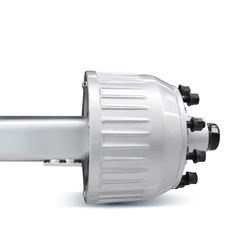
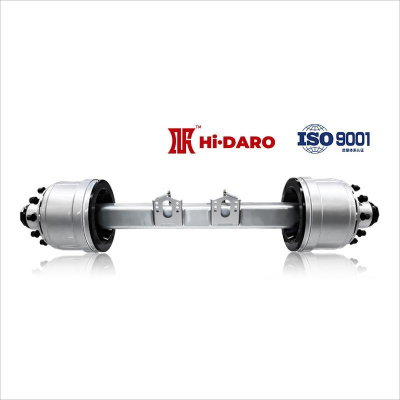
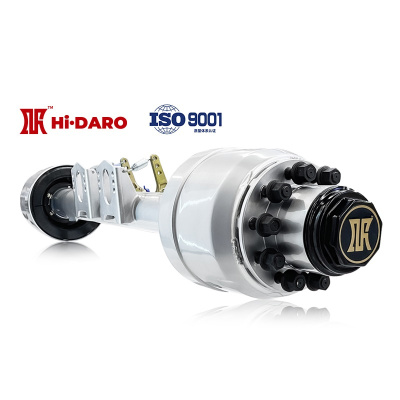
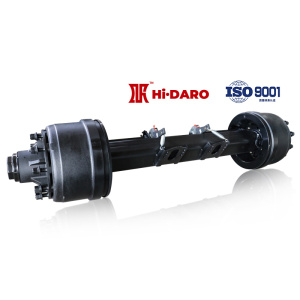
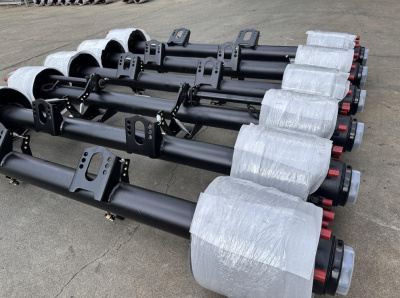
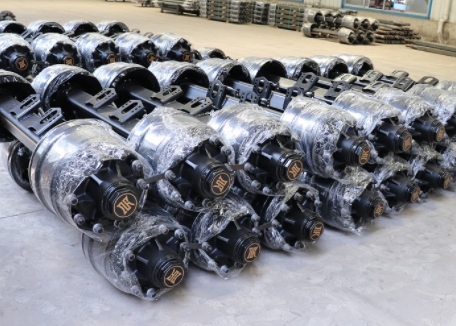
Semi-trailer axles are critical components that directly impact the performance, safety, and efficiency of heavy-duty transport vehicles. Whether for logistics, construction, or specialized freight, choosing the right axle type is essential for optimizing payload capacity and operational costs. In this article, we explore the key types of semi-trailer axles, their unique features, and their applications across industries.
1. Types of Semi-Trailer Axles
1.1 Single Axle
Design: A single axle configuration with one wheel hub assembly on each side.
Features: Lightweight, cost-effective, and suitable for short-distance transport.
Applications: Ideal for light cargo trailers or regional delivery vehicles.
1.2 Tandem Axle (Double Axle)
Design: Two axles placed close together to distribute weight evenly.
Features: Higher load capacity (typically 20–40 tons), improved stability, and reduced road wear.
Applications: Long-haul freight, bulk cargo transport, and container logistics.
1.3 Triple Axle
Design: Three axles arranged in a group for maximum weight distribution.
Features: Ultra-high load capacity (up to 60 tons), enhanced traction, and compliance with strict road regulations.
Applications: Heavy machinery transport, mining equipment, and oversized cargo.
1.4 Lift Axle (Retractable Axle)
Design: Equipped with a hydraulic or pneumatic system to raise/lower the axle as needed.
Features: Reduces tire wear and fuel consumption when unloaded; increases payload flexibility.
Applications: Versatile use in variable-load scenarios, such as seasonal agriculture or construction.
1.5 Steering Axle
Design: A pivot-enabled axle that improves maneuverability.
Features: Enhances turning radius and reduces trailer swing.
Applications: Urban delivery, tight-space logistics, and specialized vehicles like tankers.
1.6 Air Suspension Axle
Design: Integrated with air springs for shock absorption.
Features: Superior ride comfort, adjustable ride height, and reduced cargo vibration.
Applications: High-value or fragile goods transport (e.g., electronics, pharmaceuticals).
2. Key Features of Modern Semi-Trailer Axles
Material Innovation: High-strength alloy steel or forged components for durability.
Load Capacity: Engineered to meet regional legal standards (e.g., U.S. DOT, EU EN standards).
Corrosion Resistance: Advanced coatings (e.g., hot-dip galvanizing) for harsh environments.
Modular Design: Easy maintenance and replacement of parts like bearings or brake systems.
3. Application Fields by Industry
3.1 Logistics & Freight
Tandem and triple axles dominate long-distance container and dry van trailers.
Air suspension axles protect sensitive goods during transit.
3.2 Construction & Mining
Heavy-duty triple axles support dump trailers and lowbed platforms for excavators.
Lift axles adapt to uneven terrain and variable loads.
3.3 Cold Chain Transport
Insulated axle systems minimize heat transfer in refrigerated trailers.
3.4 Energy & Chemicals
Corrosion-resistant axles for fuel tankers and chemical carriers.
4. How to Choose the Right Axle for Your Needs
Evaluate Load Requirements: Match axle capacity to cargo weight and frequency.
Consider Road Conditions: Opt for reinforced axles in off-road or high-corrosion environments.
Regulatory Compliance: Ensure axles meet local weight and safety regulations.
5. Maintenance Tips for Longevity
Regularly inspect wheel bearings and lubrication.
Monitor tire pressure to avoid uneven axle stress.
Replace worn brake components to prevent overheating.
6. Future Trends in Axle Technology
Smart Axles: IoT-enabled sensors for real-time load monitoring.
Lightweight Materials: Carbon fiber composites to improve fuel efficiency.
Eco-Friendly Designs: Regenerative braking systems integrated with axles.
Conclusion
Semi-trailer axles are the backbone of efficient freight transportation, with diverse types catering to specific industrial needs. By understanding their features and applications, businesses can optimize fleet performance and reduce operational costs. For global buyers, partnering with certified manufacturers ensures compliance and reliability in cross-border logistics.